Our Short List of 3
All 4 Picks at a Glance
| Product | Specs | Action |
|---|---|---|
 Pine Tree Tools Bamboo Working Gloves | Check price on Amazon | |
 SHOWA Atlas 370 Garden Club Gloves, 4-Pack | Check price on Amazon | |
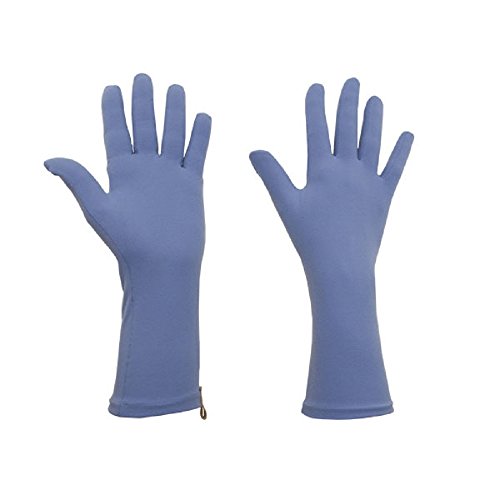 Foxgloves Original Gloves | Check price on Amazon | |
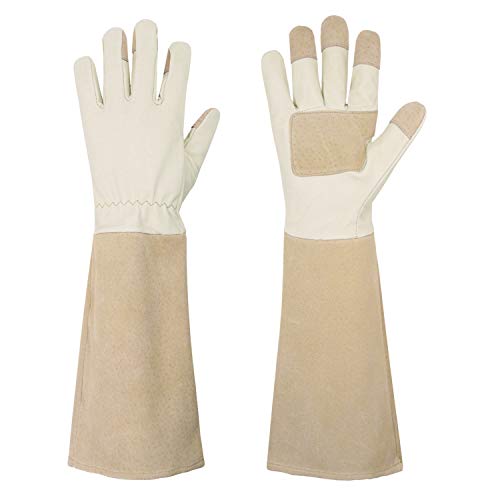 HANDLANDY Rose Pruning Gloves | Check price on Amazon |
Key takeaways
- Compare five gardening gloves by material, coating, cuff length and fit, from breathable bamboo knits and nitrile palms to thorn-proof leather gauntlets.
As an Amazon Associate, we earn from qualifying purchases made through links on this page.
A good pair of gardening gloves does three jobs at once: it keeps soil and splinters off your skin, it gives you enough grip to hold tools and stems securely, and it stays comfortable long enough that you actually keep it on. No single design does all three equally well. Thin knitted gloves preserve fingertip feel for transplanting seedlings but stop almost no thorns. Leather gauntlets shrug off rose canes yet feel clumsy when you are tying in a tomato vine. Coated-palm gloves sit between those extremes, trading a little sensitivity for grip and abrasion resistance.
This guide compares five gardening gloves that are sold on Amazon US, grouped by the kind of work each design suits. The picks cover a breathable bamboo knit for fine work, a nitrile-coated nylon glove sold in a multi-pack, a form-fitting fabric glove with a long cuff, a leather rose-pruning gauntlet for thorny shrubs, and a six-pair set of latex-coated gloves for gardeners who go through pairs quickly. Every specification below comes from the manufacturer or the product listing, including materials, coatings, sizing and care instructions, so you can match the glove to your soil, your plants and your hands before you buy.
What to look for in gardening gloves
Material decides comfort and protection. Knitted gloves made from bamboo or synthetic yarns breathe well and absorb moisture, which keeps hands cooler during long weeding sessions, but the fabric alone gives little resistance to thorns or rough bark. Leather sits at the other end of the scale: pigskin and cowhide resist punctures and abrasion far better, and pigskin stays flexible even after it gets wet, though leather gloves are warmer and need more care. Form-fitting gloves woven from nylon and spandex-type yarns aim for a bare-hand feel, acting more as a barrier against dirt and sun than as armor.
Coating decides grip. A nitrile coating on the palm adds grip and abrasion resistance while keeping the back of the hand open for airflow, and nitrile is the option to pick if you avoid latex. Foamed latex coatings feel softer and grip well on dry tools, but they are not waterproof and can soak through in wet soil. Uncoated fabric gloves rely on fit alone for grip, which is fine for light tasks and poor for hauling wet pots.
Cuff length decides coverage. A short elastic knit wrist keeps soil out during bed work. An elongated cuff protects the wrist where sleeves end. A gauntlet that reaches toward the elbow is the right call for roses, brambles, holly and cactus, where the thorns are on the stems you push past, not just the one you hold.
Fit decides dexterity. Gloves should sit snug with no slack at the fingertips; loose fabric bunches, catches and wears through faster. Sizing is not standard across brands, and several makers publish their own hand measurements, so measure around your palm and compare with the chart for the specific model rather than assuming your usual size transfers.
Care decides lifespan. Soil ground into fabric acts as an abrasive, so washable gloves last longer when they are rinsed or machine washed as the maker directs. Some knits must air dry, and leather generally needs gentler handling than synthetic gloves, so check the care instructions for the pair you choose.
The picks
Pine Tree Tools Bamboo Working Gloves
Pine Tree Tools builds this glove around a bamboo fiber knit that absorbs moisture and helps regulate hand temperature, keeping hands cooler in summer and warmer in cool weather according to the maker. The palm and fingers carry a protective nitrile coating that adds grip and a barrier against cuts and dirt while leaving the knitted back open to breathe. The fingertips are touchscreen sensitive, so you can check a planting guide or take a photo of a bed without peeling the gloves off between tasks.
The fit is deliberately snug, close to a second skin, which is what makes the glove work for transplanting seedlings, thinning rows and handling small stems. It comes in sizes from small through double extra large for women and men. Care is simple but specific: wash in cold water and let the gloves air dry rather than machine drying them.
The limitation follows directly from the design. A thin knit with a palm coating is a dexterity tool, not protection gear: thorns and sharp spines pass through the fabric, and the knit can snag on rough bark. Treat this as your fine-work pair and keep a heavier glove for shrubs.
SHOWA Atlas 370 Garden Club Gloves, 4-Pack
SHOWA’s Atlas 370 is a long-running design built on a lightweight, seamless nylon liner with a nitrile coating over the palm and fingers. The coating gives a secure grip on tools and pots and resists abrasion, while the uncoated back keeps the glove breathable during warm-weather work. An elastic knit wrist holds the glove in place and helps keep soil from working its way inside.
The Garden Club pack bundles four pairs in assorted colors in a single size, which suits gardeners who like a fresh pair for each session or who share gloves across a household. Nitrile also makes this a sensible pick for anyone who avoids latex, since the coating contains none. SHOWA rates the glove as machine washable, and the thin profile keeps fingertip feel high for weeding and planting.
The trade-off is coverage. The coating protects the palm side only, so the back of the hand has just the nylon liner between skin and whatever brushes past, and the short cuff leaves wrists exposed. It is an everyday glove for beds and borders rather than a glove for thorny or heavy clearing work.
Foxgloves Original Gloves
Foxgloves takes the opposite approach to coating: the Original is an uncoated, form-fitting glove woven from Supplex nylon with Lycra, designed to feel as close to bare hands as a glove can while still keeping dirt off the skin. The elongated cuff closes the gap between glove and sleeve, which protects the wrist from soil, scratches and sun exposure during long sessions in the beds.
The maker states the fabric is lab tested to a UPF 50 plus sun protection level, a detail that matters for gardeners who spend hours outside and prefer fabric coverage on their hands. The gloves come in small, medium and large, in colors including periwinkle blue, moss green and iris, and they are machine washable, so a muddy pair can go in with the laundry instead of stiffening in the shed.
Because there is no coating and no padding, grip depends entirely on the close fit, and protection is limited to a fabric barrier. Wet pots and smooth tool handles are harder to hold than with a coated palm, and thorns are not what this glove is built for. It suits weeding, deadheading and harvesting where feel matters most.
HANDLANDY Rose Pruning Gloves
HANDLANDY’s rose pruning glove is the heavy protection option in this lineup. The hand is made from pigskin leather, which the maker notes is the most breathable of the leathers thanks to the natural pores in the hide, and the palm and fingertips are reinforced with padding for work among thorns. From the wrist, a synthetic leather gauntlet extends up the forearm to just below the elbow, covering the skin that rose canes, bramble stems and holly leaves usually reach first.
The full glove measures about 16.5 inches long and weighs roughly 6.4 ounces, so the coverage does not come with much bulk in the hand itself. The design is unisex, made in sizes for men and women, and the beige colorway is the maker’s main version of this model.
The limits are the usual leather ones. A gauntlet is slower to put on and take off than a knit glove, the padding reduces fine fingertip feel for seed work, and leather needs more careful cleaning and drying than synthetic gloves. For pruning roses and cutting back thorny shrubs, though, the forearm coverage is the entire point.
COOLJOB Gardening Gloves for Women, 6 Pairs
COOLJOB’s six-pair set is built for gardeners who treat gloves as a consumable. Each pair pairs a lightweight, breathable knitted base with a foamed latex rubber coating in mint green or bright red, and the colors make it easy to rotate pairs or assign a color to a task. The maker adds thickened fingertips to protect fingers and nails, plus a long, flexible cuff that helps keep dirt and debris from sliding inside.
The coating gives a non-slip grip for weeding, planting, digging and picking, and the gloves are machine washable on a gentle cycle with mild detergent at up to 40 degrees Celsius, then air dried. This listing is a women’s medium, which the maker says fits most women’s hands, and the bundle format means a muddy pair never has to be worn twice in a row while it dries.
The compromises are in the spec sheet: the latex coating is not waterproof, so prolonged work in wet soil will leave hands damp, and the light construction is aimed at light to medium garden work rather than thorny shrubs or heavy digging. Gardeners with a latex sensitivity should also pick one of the nitrile options above instead.
Comparison table
| Glove | Main material | Palm coating | Cuff and coverage | Pack | Best suited to |
|---|---|---|---|---|---|
| Pine Tree Tools Bamboo Working Gloves | Bamboo fiber knit | Nitrile | Elastic knit wrist | 1 pair | Fine work, transplanting, touchscreen use |
| SHOWA Atlas 370 Garden Club | Nylon liner | Nitrile | Elastic knit wrist | 4 pairs | Everyday weeding and planting, latex-free grip |
| Foxgloves Original | Supplex nylon with Lycra | None | Elongated cuff | 1 pair | Bare-hand feel, sun coverage, light tasks |
| HANDLANDY Rose Pruning Gloves | Pigskin leather | None, padded palm | Gauntlet to below the elbow | 1 pair | Roses, brambles and thorny shrubs |
| COOLJOB Gardening Gloves, 6 Pairs | Knitted base | Foamed latex | Long flexible cuff | 6 pairs | Rotating pairs for regular bed work |
Frequently asked questions
Which gloves should I pick for pruning roses?
Choose a leather glove with forearm coverage, such as the HANDLANDY gauntlet in this guide. Rose thorns sit along the stems you reach past, so the protection needs to extend well beyond the hand, and padded leather resists punctures far better than any knit.
Is nitrile or latex coating better for garden work?
Both grip well when dry. Nitrile resists punctures and oils a little better and contains no latex, which makes it the safer pick for sensitive skin. Foamed latex feels softer and more cushioned in the hand, but it absorbs water, so it suits dry-weather tasks better than wet soil work.
How tight should gardening gloves fit?
Snug, with your fingertips reaching the ends of the glove fingers and no loose fabric bunching in the palm. A close fit is what preserves dexterity in knit and fabric gloves. Because each brand sizes differently, measure your hand and follow the size chart on the listing for the model you choose.
Can I machine wash gardening gloves?
It depends on the model. The SHOWA, Foxgloves and COOLJOB gloves in this guide are described by their makers as machine washable, while the Pine Tree Tools bamboo gloves call for a cold wash and air drying. Leather gloves such as the HANDLANDY pair need gentler care and should be dried away from direct heat.
Do thin gloves protect against thorns at all?
Only marginally. Thin knit and fabric gloves keep dirt off and prevent minor scrapes, but thorns pass through them. If your garden includes roses, brambles, holly or cactus, treat a thin pair as your dexterity glove and add a leather pair for the thorny work.
Conclusion
Match the glove to the job and most gardeners end up with two pairs: a thin, breathable one for the daily round of weeding and planting, and a tougher one for thorns and heavy work. The Pine Tree Tools bamboo glove and the SHOWA Atlas 370 cover the fine-work end with nitrile grip, the Foxgloves Original adds sun coverage and a bare-hand feel, the HANDLANDY gauntlet handles roses and brambles, and the COOLJOB six-pair set keeps fresh gloves in rotation for regular bed work. Check the size chart for the model you choose, follow its care instructions, and the pair you buy will last far longer than the one-size glove that comes free with a tool set.