Key takeaways
- Find the best lubricant for Peloton bike care, from silicone spray for seat and handlebar posts to grease for pedals and threads, with simple guidance.
The best lubricant for peloton bike maintenance is a silicone-based spray or grease applied sparingly to the moving adjustment points, not a heavy oil poured over the whole machine. A Peloton Bike is different from a road bike in one important way: it uses a belt drive rather than an exposed chain, so there is no chain to oil in the usual sense. What does need attention is the seat post, the handlebar post, the resistance knob threads, the pedal threads, and any pivot or hinge that starts to feel stiff or squeaky. The quick answer is to keep a silicone spray for sliding posts and light-duty moving parts, and a small tube of silicone or bike grease for threads and metal-to-metal contact points. Use a little at a time, wipe away the excess, and keep lubricant away from the belt, the flywheel braking surface, the resistance pad area, and the touchscreen.


That simple approach solves most of the noises and stiffness owners notice. A seat post that sticks after months of sweat and humidity, a handlebar slider that judders, a resistance knob that turns unevenly, and pedals that creak under load all tend to respond to the right lubricant in the right place. The wrong lubricant, by contrast, can attract dust, drip onto the floor, or make a sliding post too slick to hold its position. This guide explains where to lubricate a Peloton Bike, where to leave it alone, and which products fit each job.
Quick Picks
Our Short List of 3
All 3 Picks at a Glance
| Product | Specs | Action |
|---|---|---|
| WD-40 Specialist Silicone Lubricant | Check price on Amazon | |
| Super Lube 92003 Silicone Lubricating Grease with PTFE | Check price on Amazon | |
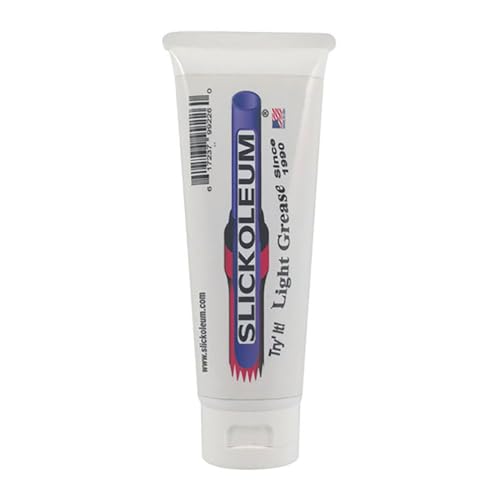 Slickoleum Friction Reducing Grease | Check price on Amazon |
How to Choose
Start With the Belt Drive in Mind
The first decision is what not to lubricate. A Peloton Bike uses a belt drive, so there is no exposed bicycle chain that needs chain oil, and chain lube is not the right product for this machine. Spraying chain oil onto the belt or into the enclosed drive area can attract dust and lint and leave residue on nearby parts. Focus instead on the external adjustment points that you can see and reach: the posts, the sliders, the knob, and the pedals. If a noise seems to come from inside the frame or the flywheel housing, or if the resistance does not change smoothly, check the manual and contact Peloton support rather than adding more lubricant.
Choose Silicone for Sliding Posts
Silicone lubricant is the most useful general choice for a Peloton Bike because it leaves a thin, slick film that helps metal slide without the sticky residue that petroleum oil can leave behind. A silicone spray works well on the seat post and the handlebar post, where the goal is smooth adjustment and protection against moisture and sweat. It is also suitable for hinges and sliding mechanisms that move occasionally rather than continuously. Apply it to a clean cloth first, or spray a small amount onto the post itself, then spread it thinly and wipe off the surplus. A post that is dripping with lubricant will attract dust and may slip under load, so thin and even is better than generous. Silicone is also kind to many plastics and rubbers, which matters around collars, sleeves, and seals, but keep it off the saddle surface, the grips, and any part you hold with sweaty hands.
Choose Grease for Threads and Heavy Contact
Grease is thicker than spray and stays where it is put, which makes it the better choice for threads and for metal parts that press together under load. A small amount of grease on pedal threads helps the pedals install smoothly and come off again later without seizing. The same logic applies to the resistance knob threads and to bolts that you remove and refit during cleaning or adjustment. Grease also works well where two metal surfaces rub slowly under pressure, because a spray film can be pushed aside more easily. The trade-off is that grease is harder to apply in a thin layer and easier to overdo, so use a fingertip or a small brush, apply a light coating, and wipe away anything that squeezes out. Keep grease away from the belt, the braking surfaces, and the floor.
Match the Form to the Job
Sprays reach into gaps and cover a long post quickly, which is why they suit seat and handlebar posts. Grease suits threads and pivots, where staying power matters more than coverage. A precision oiler or a small tube gives more control than a wide spray pattern, especially around the resistance knob, where overspray can reach parts that should stay dry. If a product only comes as a large aerosol, spray it onto a cloth away from the bike and then transfer it to the part, rather than spraying directly at a small target. That habit also protects the touchscreen, the frame finish, and the floor from mist. For a household with limited storage, one silicone spray and one small tube of grease cover almost every routine Peloton Bike lubrication task.
Check Compatibility With Plastics, Rubber, and Finish
Peloton Bikes combine painted metal, plastic collars, rubber seals, and textured grips, so compatibility matters. Silicone-based products are generally a safe starting point for mixed materials, while petroleum-based penetrating oils and solvents can damage some plastics and rubbers and can strip existing lubrication from sealed parts. Avoid classic penetrating oil as a lubricant: it is designed to free stuck parts, not to provide lasting lubrication, and it can wash grease out of bearings. Check the product label for the materials it suits, and when you try a new product, apply it to a small, hidden area first and check it after a day. If the finish looks cloudy, soft, or discoloured, stop using that product on the bike.
Think About Sweat, Dust, and Indoor Use
An indoor bike lives in a warm room, collects sweat, and sits near dust, carpet fibres, and pet hair. A lubricant that stays wet and tacky will collect that debris and turn into a gritty paste around the posts and collars. That is why a quick-drying silicone film often works better indoors than a heavy oil. Wipe the posts with a damp cloth after rides, dry them, and reapply a thin layer only when movement feels rough or dry. In a humid room, a water-resistant silicone product also helps guard against surface corrosion on exposed metal. Ventilate the room when using any aerosol, and never spray near an open flame or a hot surface.
Keep Safety and Warranty in Mind
Lubrication is routine care, not a repair, and it should never involve opening sealed housings, removing the flywheel, or dismantling the resistance mechanism. Those internal parts are best left to Peloton service. Read the owner manual for any lubrication guidance and warranty notes before you start, and keep a note of what you applied and where, so you can tell support if a problem later appears. Work with the bike unplugged or switched off, keep your hands clear of moving parts, and let the flywheel stop completely before you work near it. Wear gloves if you prefer, wash your hands after handling grease, and store aerosols upright and away from heat. If a part feels loose, cracked, or bent, tightening and lubricating will not fix it, and the part may need inspection or replacement.
The Best best lubricant for peloton bike Reviewed
WD-40 Specialist Silicone Lubricant
WD-40 Specialist Silicone Lubricant is a water-resistant silicone spray that suits the most common Peloton Bike lubrication jobs: the seat post, the handlebar post, hinges, and other light moving parts. It dries to a clear film that helps metal slide smoothly without leaving the heavy, oily residue that attracts dust indoors. The Smart Straw applicator helps aim the spray at a collar gap or a hinge, and the flip-up straw also allows a wider spray when you want to cover a longer post. The stated temperature range on the product page runs from very cold to very hot, which is more than an indoor bike needs, but it shows that the film is designed to stay in place rather than run off at the first sign of warmth.
In use on a Peloton Bike, clean the post first, dry it, and then apply a light coat. Spray a small amount onto a clean cloth and wipe it along the post, or spray directly onto the post and spread it with a cloth. Slide the post in and out a few times to distribute the film, then wipe away the surplus and check that the post still locks firmly at the chosen height. Repeat the same approach for the handlebar slider and for any hinge that moves stiffly. The spray is also useful on the resistance knob threads if you apply it to a cloth first and transfer a small amount, rather than spraying the knob directly. Note that this is a general-purpose spray, not a bike-only product, and it is not a substitute for grease on loaded threads.
Super Lube 92003 Silicone Lubricating Grease with PTFE
Super Lube 92003 is a silicone lubricating grease with PTFE in a 3 oz tube, and it is the best pick in this guide for threads and metal-to-metal contact on a Peloton Bike. Grease stays where spray can run off, so it suits pedal threads, resistance knob threads, and bolts that are removed and refitted. The product is translucent white, waterproof, and compatible with most plastics and rubbers, and the maker lists a wide temperature range, from well below freezing to 500 degrees Fahrenheit, so an indoor bike will not push it outside its working range. The tube format gives good control: you can put a thin line on a thread with a fingertip or a small brush and wipe away the excess before assembly.
For pedal threads, apply a light, even coating to the clean threads, install the pedal by hand first to avoid cross-threading, and then tighten it with the correct tool. The grease helps the pedal turn in smoothly and helps it come out again months later without seizing, which matters on a bike that sees sweat and humidity every day. For the resistance knob, a very small amount on the accessible threads can help the knob turn more evenly, but do not force grease into the internal resistance mechanism. Any surplus should be wiped away so it does not collect dust or transfer to clothing.
Slickoleum Friction Reducing Grease
Slickoleum Friction Reducing Grease is a bike-specific grease in a 4 oz tube, designed for suspension pivots, headset bearings, bottom brackets, and other bicycle components where low friction and water resistance matter. On a Peloton Bike, its natural home is thread preparation and pivot lubrication rather than the main sliding posts. It forms a durable, water-resistant film that resists washout, and it is safe for seals, elastomers, and O-rings, which makes it a thoughtful choice for parts that combine metal with rubber seals. The tube format again gives control, so you can apply a small amount exactly where it is needed.
Use it in the same way as the Super Lube grease: a thin coating on clean pedal threads, on accessible pivot points, and on bolts that need to move smoothly and resist seizing. Work it into the thread with a fingertip or a brush, assemble the part, and wipe away any grease that squeezes out. Because it is made for bicycles, it fits the Peloton Bike context better than a general household grease. Partial fit note: it is aimed at outdoor bicycle suspension and drivetrain parts that a Peloton Bike does not have in the same form, so buy it for threads and pivots only, not as an all-over lubricant.
What to Check Before You Buy
Before you buy, check the form, the base, and the intended use on the label. Silicone spray suits sliding posts and hinges. Silicone or bike grease suits threads and pivots. A product labelled as a penetrating oil, a cleaner, or a degreaser is not a lubricant for this job, even if the can looks similar. A chain lube made for outdoor bicycle chains is also the wrong pick for a belt-drive Peloton Bike, because there is no chain to feed it to and the oil will end up where it is not wanted.
Check the size as well. A small tube of grease lasts a long time on a Peloton Bike because each application uses so little, while a large aerosol may last years but needs careful storage. If you have limited space, a single spray and a single small tube are enough. Check that the product is still sold on Amazon US and that the listing matches the exact product, size, and form you expect, including the ASIN shown in this guide.
Think about where you will use it. If the bike sits on carpet or a light-coloured floor, put a towel underneath before you lubricate anything, and keep a cloth ready to catch drips. If you share the bike with other household members, agree on a simple routine: wipe the posts after rides, check the adjustment points once a month, and reapply only when movement feels rough or dry. Finally, keep the manual nearby the first time you lubricate a new point, and stop if anything feels loose, cracked, or unusually stiff.
FAQ
Do I need to oil the chain on a Peloton Bike?
No. A Peloton Bike uses a belt drive, not an exposed chain, so chain oil is not needed and should not be applied to the belt. Lubrication on a Peloton Bike is for the seat post, handlebar post, resistance knob threads, pedal threads, and accessible pivots and hinges. If a noise seems to come from the enclosed drive or flywheel area, check the manual and contact Peloton support rather than adding oil.
What kind of lubricant is best for the seat post?
A silicone spray is usually the best choice for the seat post because it leaves a thin, slick film that helps the post slide and resists moisture without a heavy, sticky residue. Clean and dry the post first, apply a light coat with a cloth, work the post in and out a few times, and wipe away the surplus. The post should still lock firmly at the chosen height. If it slips after lubrication, wipe off more of the film and check the collar and locking lever.
Can I use regular WD-40 on a Peloton Bike?
Regular WD-40 is a penetrating oil and water displacer, not a lasting lubricant, and it can strip grease from parts that need it. It is not the best choice for Peloton Bike maintenance. A silicone-based spray, such as the WD-40 Specialist Silicone Lubricant listed in this guide, is a different product with a different formula, and it is the type of product to use on sliding posts and hinges. Keep any spray away from the belt, braking surfaces, saddle, grips, and touchscreen.
How often should I lubricate my Peloton Bike?
There is no single schedule that suits every household, because use, sweat, and humidity vary. A practical routine is to wipe the posts after rides, check the adjustment points once a month, and reapply a thin layer only when a post, slider, or knob feels rough, dry, or squeaky. Threads that are assembled once and left alone need grease mainly at installation and when they are removed again.
Where should I never put lubricant on a Peloton Bike?
Keep lubricant away from the belt drive, the flywheel braking surface and resistance pad area, the saddle surface, the handlebar grips, and the touchscreen. Lubricant on a braking surface can reduce grip and change how resistance feels, while lubricant on grips and saddle can make them slippery. Do not spray into sealed housings or the internal resistance mechanism, and do not open those parts to lubricate them. If resistance feels uneven or a noise comes from inside the bike, seek advice from Peloton support.
Bottom Line
The best lubricant for peloton bike care is not one magic product, but a small, well-chosen pair: a silicone spray for the seat and handlebar posts and light moving parts, and a silicone or bike grease for pedal threads, resistance knob threads, and pivots. That combination covers the parts you can see and reach, stays clean indoors, and avoids the common mistake of oiling a belt drive as if it were a chain. Clean each part first, apply a thin layer, wipe away the surplus, and keep lubricant away from the belt, braking surfaces, grips, saddle, and screen. Check the adjustment points once a month, reapply only when movement feels dry or rough, and leave internal parts to Peloton service.
Disclosure: As an Amazon Associate, we may earn from qualifying purchases.