Key takeaways
- Find the best bike for 2000 dollars 2 with carbon frames, Shimano drivetrains, disc brakes and endurance geometry for road riding and long weekend miles.
Searching for the best bike for 2000 dollars 2 puts you in one of the most rewarding bands in cycling. This is the level where a bike stops feeling like a starter machine and starts feeling like a serious riding partner. Frames get lighter, shifting gets crisper, braking gets more confident, and the geometry starts to suit long days in the saddle.

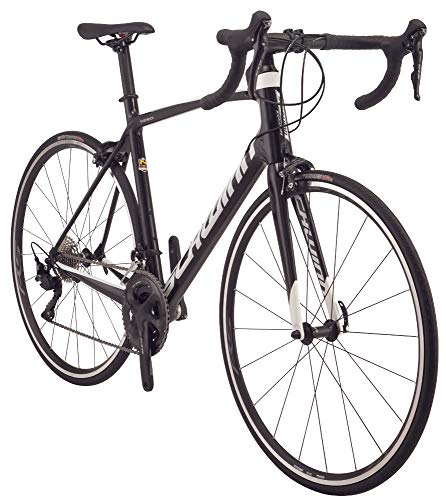
The quick answer is to start with a carbon road bike built around a named Shimano drivetrain, disc brakes where you can find them, and a frame size that genuinely fits your height and reach. The SAVADECK Windwar5.0 leads this guide because it pairs a Toray T800 carbon frame with a Shimano 105 drivetrain, while the Schwinn Fastback Carbon 105 offers a similar carbon and 105 combination from a long-established cycling brand. The HeartsBio Model H is another lightweight carbon option to compare, and the Tommaso Imola is included as a lower-cost entry point for riders who want to stay well inside the two-thousand-dollar range while they learn road riding.
Quick Picks
Our Short List of 3
All 4 Picks at a Glance
| Product | Specs | Action |
|---|---|---|
| 1. SAVADECK Windwar5.0 Carbon Road Bike | Check price on Amazon | |
| 2. Schwinn Fastback Carbon 105 Road Bike | Check price on Amazon | |
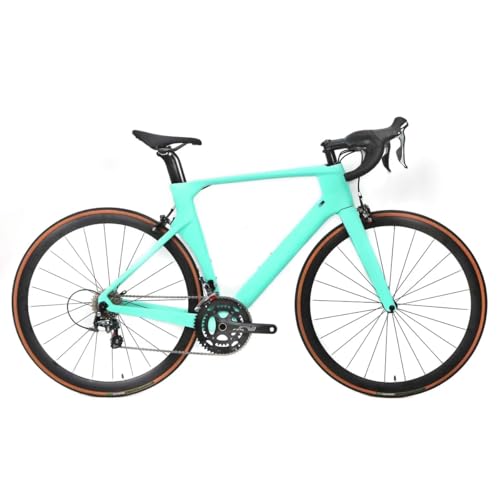 3. HeartsBio Carbon Road Bike Model H | Check price on Amazon | |
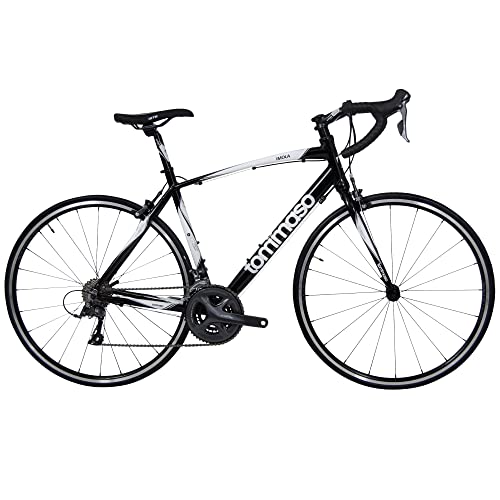 4. Tommaso Imola Endurance Aluminum Road Bike | Check price on Amazon |
How to Choose
A bike in the two-thousand-dollar range should feel balanced. No single part should feel far ahead of the rest, and no single part should feel like an obvious weak point.
Start With How You Will Ride Most
Before you compare specifications, be honest about the riding you will actually do. A rider who plans fast group rides on smooth roads needs a different bike from a rider who plans relaxed weekend rides and commuting. Road bikes in this guide are built for paved surfaces, steady speed, and efficient pedalling.
If most of your riding will be on paved roads with some rougher sections, look for endurance geometry, slightly wider tyre clearance, and a riding position that does not force you low for hours at a time. If you plan to ride on gravel or loose surfaces regularly, a dedicated gravel bike with wider tyres and lower gearing would be a better starting point than any pure road bike here.
Frame Material at This Level
Frame material shapes how a bike feels, how much it weighs, and how it handles vibration from the road. In the two-thousand-dollar range, carbon fiber is the headline material, and three of the four bikes in this guide use it. Carbon fiber can be shaped into frames that are light, stiff where power needs to transfer, and shaped to absorb some road vibration.
Aluminum is the other common material at this level, and it remains a sensible choice. An aluminum frame is generally heavier than a comparable carbon frame, but it is durable, straightforward to maintain, and often paired with a carbon fork that takes the edge off road vibration. The Tommaso Imola uses an aluminum frame with a steel fork, a more basic combination, and that is one reason it sits well below the top of the two-thousand-dollar range.
Drivetrain and Gearing
The drivetrain is the set of parts that moves the chain, changes gear, and turns your pedalling into forward motion. In the two-thousand-dollar range, a named Shimano drivetrain is a strong sign of quality. Shimano 105 is the groupset to look for at the top of this band. It shifts cleanly, holds its adjustment well, and is widely understood by bike shops, which makes servicing straightforward.
Shimano Claris is a step below 105, and it appears on the Tommaso Imola. Claris is a reliable entry-level groupset with a wide gear range, and it suits a rider who is learning road riding and wants dependable shifting without paying for higher-level parts. Gearing matters as much as the groupset name. A compact crankset with a wide-range cassette gives you low gears for hills and high gears for flat speed, so check that the gear range suits the terrain you ride most.
Brakes and Tyre Clearance
Brakes decide how confidently you can ride in traffic, on descents, and in wet weather. Disc brakes have become the standard on better road bikes because they offer strong, consistent stopping in dry and wet conditions, and they work well with wider tyres. The SAVADECK Windwar5.0 is listed with disc brakes, which is a useful advantage if you ride in varied weather or on long descents. Rim brakes, as fitted to the Tommaso Imola, work well in dry conditions and are simple to maintain, but they offer less stopping power in the wet and they limit tyre width.
Tyre clearance is closely linked to brakes and comfort. A bike that accepts wider tyres lets you run lower tyre pressure, which improves comfort and grip on rough roads.
Fit and Sizing
Fit is the most important factor of all, and it is also the easiest to overlook when buying online. A bike with excellent parts in the wrong size will feel worse than a simpler bike in the right size. Road bikes are sold in frame sizes measured in centimetres, and each size suits a range of rider heights. Always check the sizing chart on the listing, measure your height and inseam, and compare them with the chart before you order. If you fall between two sizes, think about your reach and flexibility: a smaller frame generally feels more agile, while a larger frame generally feels more stretched out and stable.
A professional bike fit after purchase is worth considering if you plan to ride regularly, because small adjustments to saddle height and reach can make a large difference to comfort and efficiency.
Assembly, Support and Spares
Bikes sold online usually arrive mostly assembled, with the handlebars, front wheel, seat post, and pedals to fit. Brakes need to be set up properly, gears need to be adjusted, bolts need to be tightened correctly, and wheels need to be seated correctly. Many listings state that professional assembly is required to validate the warranty, and that advice should be taken seriously.
Support matters as well. Established brands such as Schwinn and Tommaso have clearer support channels and spares availability than newer or lesser-known brands, and that can matter if you need a replacement part or warranty help. Before you order, check what warranty the listing describes and how you would contact the seller if something arrives damaged.
The Best best bike for 2000 dollars 2 Reviewed
The four bikes below are all complete bikes, not frames or parts, and each one is listed on Amazon US. Use the listing to confirm the frame size, colour, and included parts before you order.
1. SAVADECK Windwar5.0 Carbon Road Bike
The SAVADECK Windwar5.0 is the leading pick in this guide because it combines the three features that matter most in the two-thousand-dollar range: a carbon frame, a Shimano 105 drivetrain, and disc brakes. The frame, fork, and seat tube are made from Toray T800 carbon fiber, a material chosen for its balance of light weight and strength. The listed weight is 9.8 kilograms, which is light for a complete bike in this band and helps the bike feel responsive when you accelerate.
The Shimano 105 drivetrain provides smooth, predictable shifting across a wide gear range, and it is the groupset that many experienced riders regard as the sweet spot between performance and serviceability. The drivetrain works with 700C wheels and Continental road tyres in a 700 by 25C size, a combination that suits fast riding on paved roads.
2. Schwinn Fastback Carbon 105 Road Bike
The Schwinn Fastback Carbon 105 is the established-brand alternative to the SAVADECK, and it earns its place through a clear, well-documented specification. The frame is a Schwinn road-tuned N LITENED Black Label carbon frame, paired with a Schwinn race carbon fork with a carbon tapered steerer. That combination is designed for speed and endurance, with a frame that feels stiff under power and a fork that helps the front of the bike feel precise on descents and in corners.
The drivetrain is a full Shimano 105 22-speed setup, with a Shimano 105 50 by 34T compact crank, Shimano 105 STI shifters, and a Shimano 11 by 32T cassette. That gearing gives you low gears for climbing and high gears for flat speed, which suits riders who face varied terrain. The wheels are Shimano WH-RS100 aluminum road wheels, fitted with Kenda 700 by 25c tyres.
One important note is the model year. This listing is for a 2019 model, so it is an older design than a current-year bike, and size availability varies by size and colour.
3. HeartsBio Carbon Road Bike Model H
The HeartsBio Carbon Road Bike Model H is a lightweight carbon alternative for riders who want a carbon frame without the racier feel of some other bikes in this guide. The frame is made from Toray T700 carbon fiber, and the listed weight is 18.7 pounds, which is light for a complete road bike and helps the bike feel quick on climbs and responsive when you accelerate.
The Model H is presented as a high-quality carbon road bike for riders who want performance without moving into a much higher spending band. Its carbon construction is the main attraction, and it suits a rider who values light weight and a smooth ride above all else.
Listing detail for this bike is thinner than for the SAVADECK or the Schwinn, so treat the specification with care. Confirm the frame size, the drivetrain specification, the brake type, and the wheel and tyre sizes on the listing for the exact variant you choose, and do not assume that every size shares the same parts. If the specification for your size matches your needs, the Model H is a credible lightweight carbon option in the two-thousand-dollar range, best suited to a rider who plans to have the bike assembled and checked by a shop before riding.
4. Tommaso Imola Endurance Aluminum Road Bike
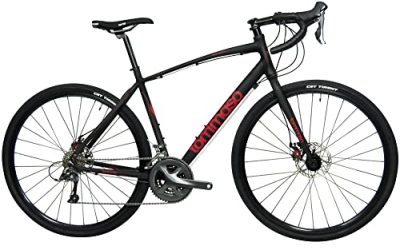
The Tommaso Imola is included as a partial fit, and that label matters. It is a real, well-established road bike, but it sits well below the top of the two-thousand-dollar range, and its specification reflects that. The frame is aluminum, the fork is steel, the drivetrain is Shimano Claris with 24 speeds, and the brakes are rim brakes rather than disc brakes. Those parts are reliable and easy to service, but they are entry-level parts, and they do not offer the light weight, crisp shifting, or wet-weather braking of the carbon Shimano 105 bikes above.
Why include it, then? Because it is a useful entry point for a rider who wants to start road riding, learn drop-bar handling, and build fitness without committing the full two-thousand-dollar range to a first bike. The Imola has been a default recommendation for first road bikes for years: it has a genuine size range that goes up to 60 centimetres, a full Shimano Claris groupset that every shop understands, and endurance geometry that is comfortable enough for long first rides.
The trade-offs are clear. The steel fork adds weight and transmits more vibration than a carbon fork. Rim brakes work well in the dry but offer less stopping power in the rain. Professional assembly is required to validate the warranty, and the bike arrives untuned, so a shop check is essential.
What to Check Before You Buy
A bike is a large, mechanical purchase, and a short checklist before you order can prevent most problems. Work through the points below for the exact size and variant you plan to buy, using the listing as your source.
- Confirm the frame size against the sizing chart, using your height and inseam, and check that the size you need is actually available.
- Read the full specification for that size, including frame and fork material, drivetrain, brakes, wheel size, tyre size, and included parts.
- Check whether pedals are included. Some road bikes are sold without pedals, so you may need to add a pair.
- Plan for professional assembly and a safety check, and ask a local shop what they charge for assembly and a first service.
- Inspect the bike on delivery. Look for damage to the frame, fork, wheels, and packaging, and test the brakes and gears before your first ride.
- Check the warranty terms on the listing, including what is covered and whether professional assembly is required to validate it.
FAQ
Is a bike in the two-thousand-dollar range enough for serious road riding?
Yes, for most riders it is. A bike in this range with a carbon frame, a Shimano 105 drivetrain, and disc brakes offers the parts that matter most for regular road riding: light weight, reliable shifting, confident braking, and a frame that suits long rides. You do not need a higher spending band to ride in a club, train for a long event, or enjoy fast weekend rides.
Should I choose carbon or aluminum at this level?
Carbon is the better choice if you want the lightest feel and the most refined ride, and three of the bikes in this guide use it. Aluminum is a sensible choice if you want durability, simplicity, and a lower outlay, and it remains a good material for a first road bike. The fork matters too: a carbon fork improves comfort and reduces weight, while a steel fork is heavier and transmits more vibration.
Are disc brakes worth prioritising?
Disc brakes offer stronger, more consistent stopping in wet weather and on long descents, and they allow wider tyres, which improves comfort. They are worth prioritising if you ride in varied weather or on hilly routes. Rim brakes work well in dry conditions and are simple to maintain, so they are not a poor choice for a rider who mainly rides in the dry and wants a simpler bike. The SAVADECK Windwar5.0 in this guide is listed with disc brakes, while the Tommaso Imola uses rim brakes.
How do I know which frame size to order?
Use the sizing chart on the listing, and measure your height and inseam carefully. Compare your measurements with the chart for the exact bike you plan to buy, because sizing varies between brands and models. If you fall between two sizes, think about reach and flexibility, and consider asking a local bike shop for advice.
Do bikes bought online need professional assembly?
In most cases, yes. Bikes sold online usually arrive mostly assembled, but the handlebars, front wheel, seat post, and pedals still need to be fitted, and the brakes and gears need to be adjusted. Many listings state that professional assembly is required to validate the warranty, and a shop check also confirms that the bike is safe to ride.
Bottom Line
The best bike for 2000 dollars 2 for most riders is a carbon road bike with a Shimano 105 drivetrain, disc brakes where available, and a frame size that fits properly. The SAVADECK Windwar5.0 is the leading pick in this guide because it brings those features together in a light, well-specified package. The Schwinn Fastback Carbon 105 is the best established-brand alternative, with a documented carbon and 105 specification, although you should check size availability because it is an older model. The Tommaso Imola is a partial fit: a reliable first road bike well below the top of the range, best for riders who want to start simply and stay well inside the two-thousand-dollar band.
Disclosure: As an Amazon Associate, we may earn from qualifying purchases.